Our Location
304 North Cardinal St.
Dorchester Center, MA 02124

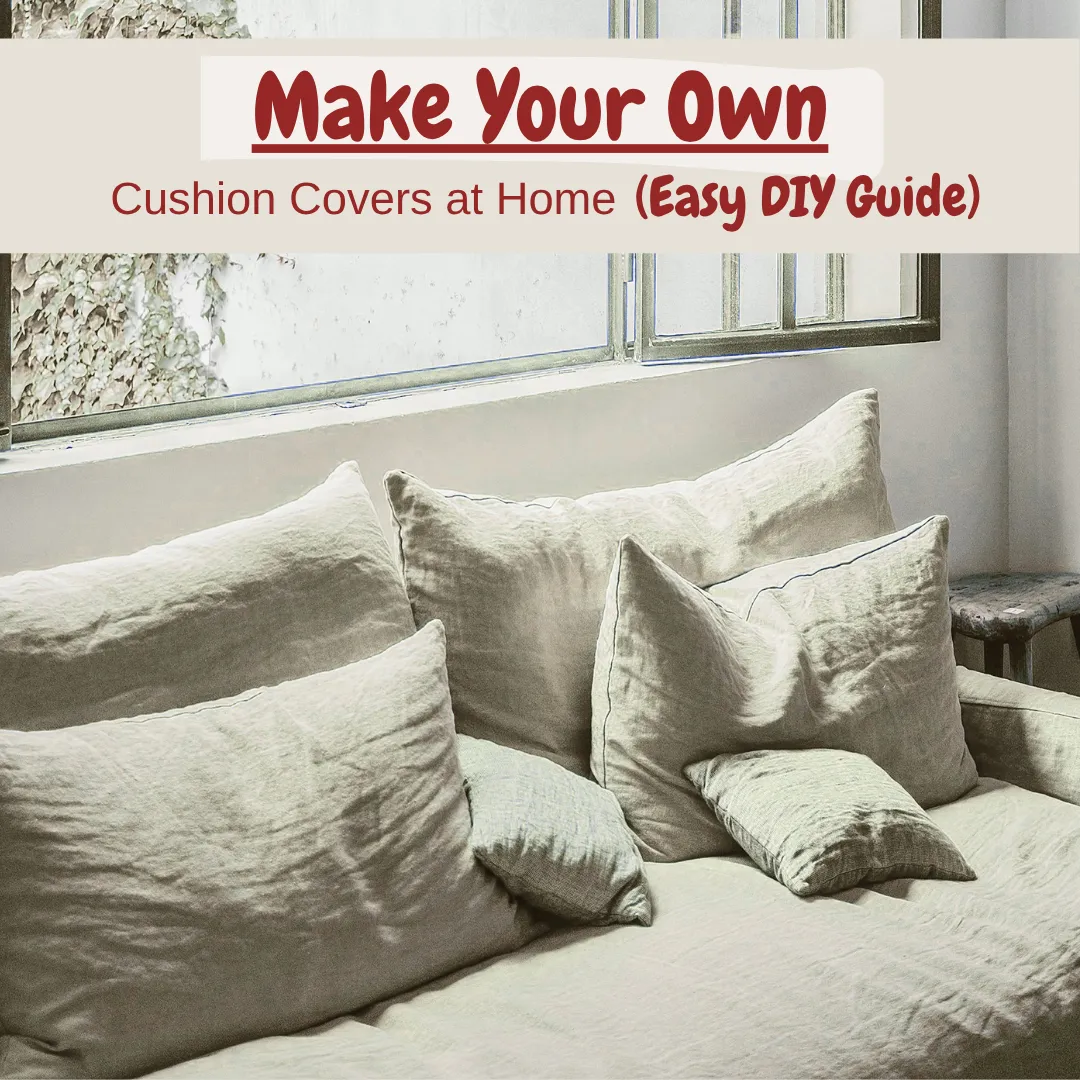
Refreshing your home decor doesn’t always require expensive furniture or a complete room makeover. Sometimes, small decor changes can make the biggest impact. One of the easiest and most affordable ways to upgrade your living room or bedroom is to Make Your Own Cushion Covers at home.
DIY cushion covers are not only budget-friendly but also allow you to customize colors, fabrics, patterns, and textures according to your personal style. Whether you love modern minimal decor, cozy boho interiors, or elegant luxury styling, handmade cushion covers can instantly transform your space.
In this easy DIY guide, you’ll learn how to Make Cushion Covers, the best fabrics to use, beginner-friendly sewing techniques, styling tips, and creative ideas to design beautiful cushions for your home.
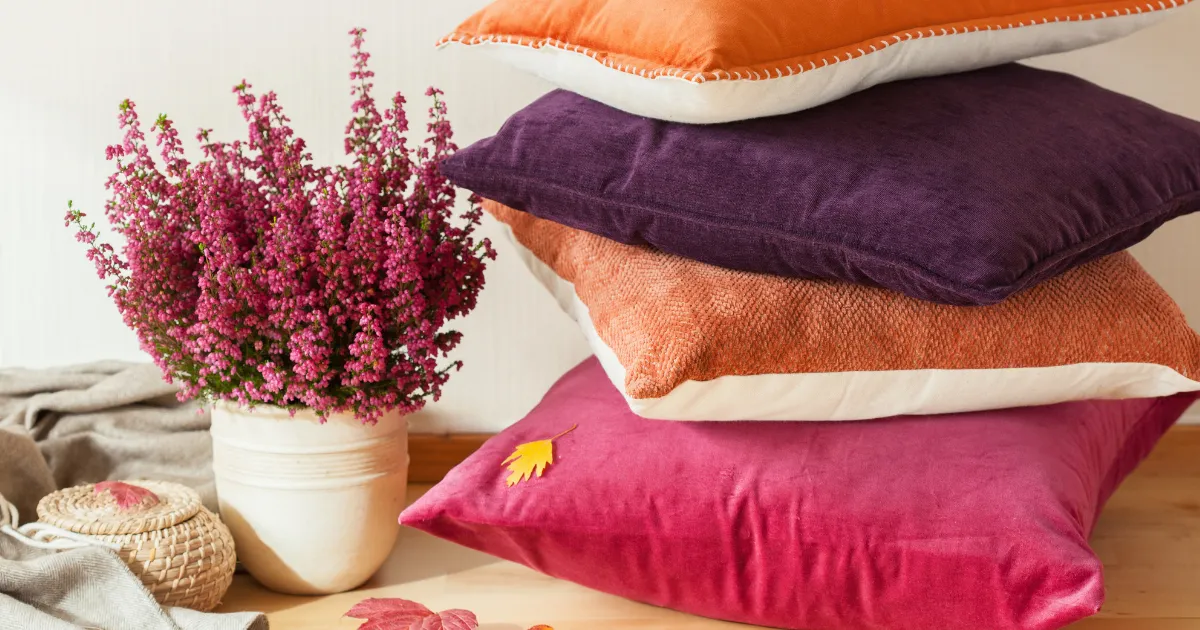
There are many advantages to making your own pillow covers at home.
When you Make Your Own Cushion Covers, you can choose:
This helps create a more personalized and cohesive home decor setup.
DIY cushion covers are much more affordable than store-bought designer cushions.
You can create stylish Homemade Cushion Covers using affordable fabrics while still achieving a luxurious look.
One of the best things about DIY cushions is how easy they are to switch seasonally.
You can create:
Seasonal styling becomes easier and more affordable when you Make Your Own Cushion Covers.
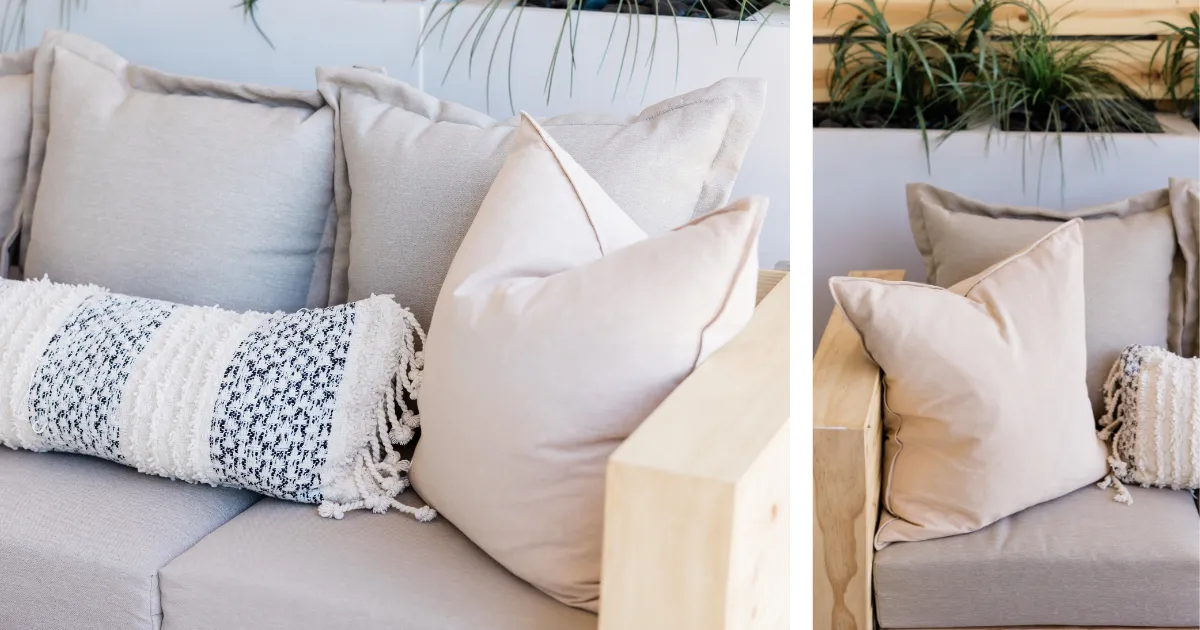
Before starting your DIY project, gather the following materials:
These basic tools are enough for creating beautiful DIY Cushion Covers at home.
Choosing the right fabric is very important because it affects both the appearance and durability of your cushions.
Perfect for modern, minimalist, and neutral interiors.
Soft, breathable, and beginner-friendly.
Adds a luxurious and cozy feel to your decor.
Durable and ideal for decorative cushions.
Perfect for cozy and winter-themed interiors.
Choose fabrics based on your home decor style and comfort preferences.
Start by measuring your cushion insert carefully.
For example:
Add an extra inch for seam allowance when cutting your fabric.
Accurate measurements are essential when you Make Your Own Cushion Covers.
Cut two equal fabric pieces according to your cushion size.
Example:
For an 18×18-inch cushion, cut:
This allows enough space for stitching.
Place the fabric pieces with the patterned sides facing inward.
Pin the edges carefully to keep the fabric aligned while sewing.
Using a sewing machine or hand stitching, sew around the edges while leaving one side open.
This opening will allow you to insert the cushion later.
There are two popular closure styles for DIY Cushion Covers:
Creates a clean and professional finish.
Beginner-friendly and requires no zipper installation.
Envelope-style covers are one of the easiest ways to Make Your Own Cushion Covers at home.
Once stitching is complete, turn the cushion cover right-side out carefully.
Push out the corners gently for a cleaner shape.
Place the cushion insert inside the cover and adjust it properly.
Your homemade cushion cover is now ready to style!
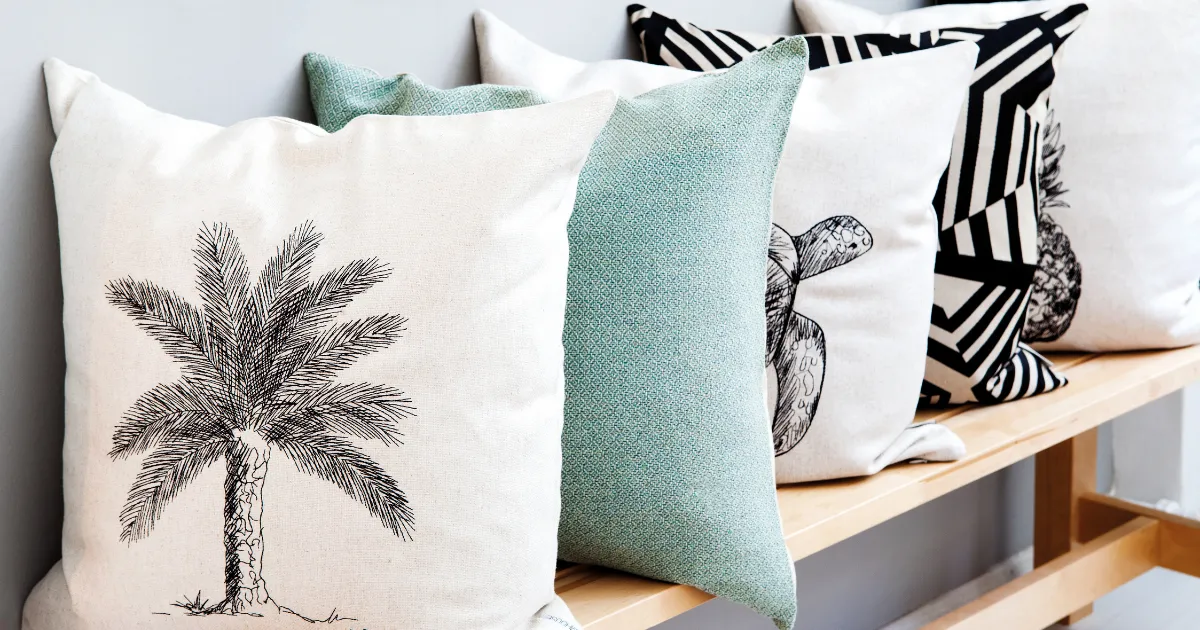
If you don’t know how to sew, don’t worry. You can still create stylish cushion covers using a no-sew method.
Use:
This is perfect for beginners looking for simple DIY Cushion Cover Ideas.
Once you create your cushion covers, styling them properly can instantly elevate your interiors.
A balanced arrangement creates a designer-inspired look.
Color plays a huge role in home decor styling.
Neutral tones are especially popular in modern home interiors.
If you love bohemian interiors, textured and layered cushion styling works beautifully.
Use:
Boho-inspired Handmade Cushion Covers create a warm and cozy atmosphere.
Modern minimalist homes focus on simplicity and neutral styling.
Minimal styling creates a sophisticated and timeless look.
When learning to Make Your Own Cushion Covers, avoid these mistakes:
Simple and balanced designs usually look more elegant.
Yes, making covers is beginner-friendly and requires only basic sewing skills and materials.
Linen, cotton, velvet, and canvas are among the best fabrics for stylish and durable covers.
It depends on the cushion size, but typically one cushion cover requires slightly more fabric than the insert size to allow seam space.
Neutral shades like beige, cream, olive green, terracotta, and soft grey are highly popular in modern interiors.
